Sodium Hyaluronate by Enzymatic Degradation Technology
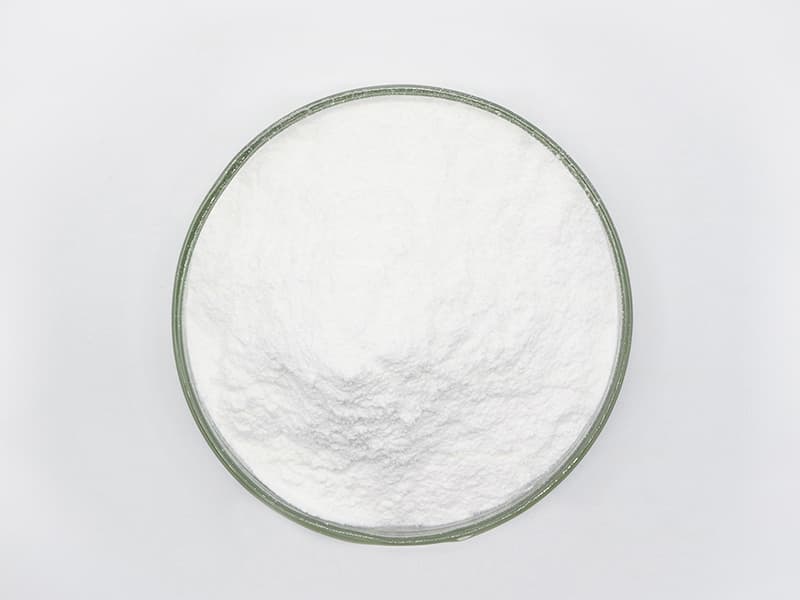
Oligo sodium hyaluronate obtained by enzyme chain-breaking technology on the basis of ordinary sodium hyaluronate, designed for deep hydration and skin-repair use.
Hyaoligo is a kind of Oligo Sodium Hyaluronate obtained by enzyme chain-breaking technology on the basis of ordinary Sodium Hyaluronate.
Hyaoligo is a low-molecular-weight sodium hyaluronate fragment with complete structure, intended to absorb more easily through skin.
Product Features
Key Benefits
Specifications
The values below are typical reference figures. Certificate of Analysis (COA) available upon request.
| Parameter | Specification |
|---|---|
| Product name | Hyaoligo TM Sodium hyaluronate |
| Product description | White or almost white powder or granule |
| Glucuronic acid | ≥45.9% |
| Sodium hyaluronate | ≥95% |
| pH | 5.0–8.5 |
| Absorbance | A280nm ≤0.25 |
| Transmittance | T550nm ≥99.0% |
| Molecular weight | ≤10,000 Daltons |
| Intrinsic viscosity | ≤0.47 dL/g |
| Kinematic viscosity | Measured value |
| Protein | ≤0.1% |
| Heavy metal | ≤20 ppm |
| Bacteria counts | ≤100 CFU/g |
| Molds & yeasts | ≤50 CFU/g |
| Staphylococcus aureus | Negative/g |
| Pseudomonas aeruginosa | Negative/g |
Usage Instructions
Can be used in propylene glycol and glycerol or dissolved directly in water. Avoid simultaneous use with cationic preservatives and cationic surfactants.
Application Areas
Storage & Packaging
Temperature at 2–10℃, cool and dry place.
According to customer requirements.
Two years (unopened packaging).
Notes
- The page states that enzymatic digestion keeps molecular fragments more complete than chemical degradation methods.
Quality Assurance
Each batch is tested for active ingredient content, heavy metals, microorganisms, and pesticide residues. COA, TDS, and MSDS are available upon request.
Related Products
View all in Hyaluronic Acid →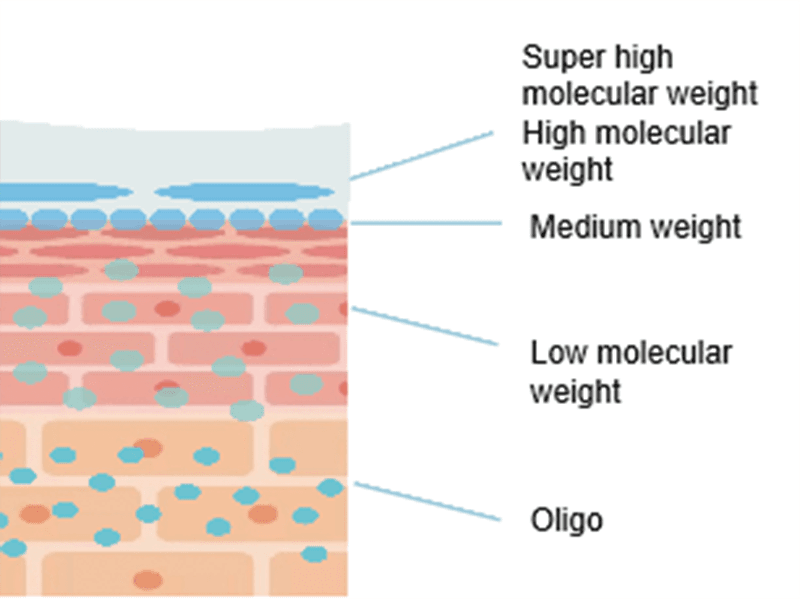 Hyaluronic Acid
Multiple Sodium Hyaluronate Solution for Multiple Moisturizing
A multi-molecular-weight sodium hyaluronate solution designed to form a stereoscopic sponge structure for multi-level hydration and skin protection.
 Hyaluronic Acid
Eye Drops Medical Device Grade Hyaluronic Acid
Eye-drop-grade sodium hyaluronate positioned for long-lasting ocular lubrication and moisturizing in ophthalmic care.
 Hyaluronic Acid
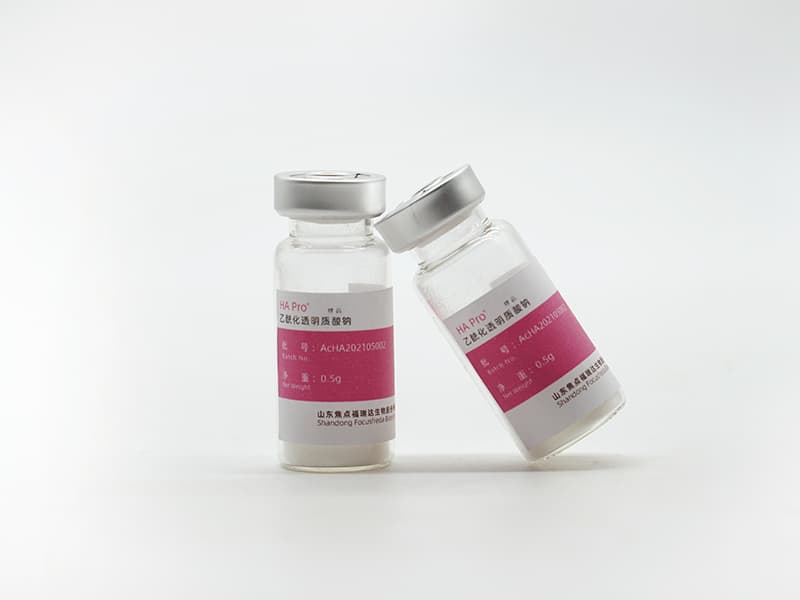
Acetylated Sodium Hyaluronate
Acetylated sodium hyaluronate with both hydrophilicity and lipophilicity for double moisturizing, antioxidant, anti-inflammatory, and barrier-repair performance in daily cosmetics.
Interested in this product?
Contact our team for pricing, samples, and technical documentation.